Small Business Branding Photography: What Your Photos Actually Need to Do
July 31, 2025
Originally published · Updated
When business owners start thinking about branding photos, the first question is often something like:
Where should we take them?
Or:
What should I wear?
Those things matter. But they aren’t where I start.
Before choosing a location, outfit, prop or pose, I want to understand what the photographs actually need to do for the business.
A homepage image has a different job than a LinkedIn portrait. An About-page photograph should communicate something different from a social-media image. A business owner introducing a service may need a completely different photograph than the one accompanying a press feature.
That is the real purpose of small business branding photography.
We’re not trying to create a folder of attractive images and figure out what to do with them later. We’re building a useful visual library around the business, the person behind it, and the places those photographs need to work.
Brand Photo Strategy
A beautiful photograph is nice.
A useful photograph knows what job it has.
Small Business Branding Photography Is Not Just a Bigger Headshot Session
A headshot has a fairly specific job.
We need to see you clearly. You should look current, recognizable and professional in a way that still feels like you. It may be used on LinkedIn, an About page, a speaker bio, a company directory or another place where a clear portrait is what the space requires.
Branding photography goes wider.
A branding session might include a strong portrait, but it can also show you working, interacting with your environment, demonstrating your process, using tools that belong to your business, moving naturally through a space, or creating something your clients associate with you.
The difference isn’t simply that we take more photographs.
It’s that we’re creating different photographs for different purposes.
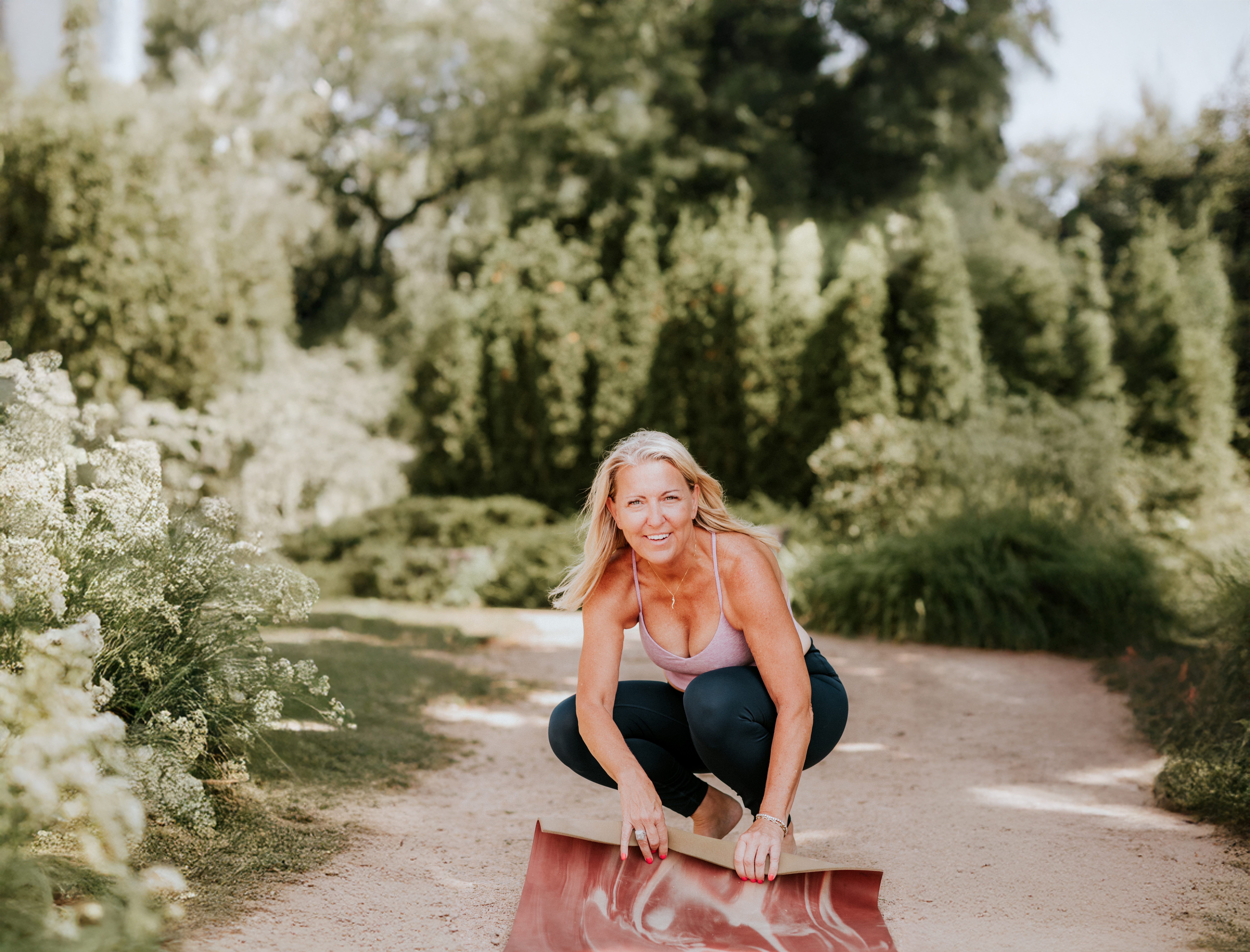
A consultant may need a clean professional portrait plus images for educational content and a website banner. A yoga instructor might need portraits, movement, teaching context and detail photographs. A chef or food creator may need personality, process and finished-product imagery.
The business tells us what the photographs need to become.


Start With Where the Branding Photos Will Be Used
One of the easiest ways to make a branding session more strategic is to stop planning photographs in isolation.
Instead, start with the places they need to live.
- What does the homepage need?
- Is there room for a headline beside the subject, or will text eventually sit over the image?
- Does the About page need a tighter portrait?
Will you need vertical images for social content? Horizontal images for banners? A clean portrait for LinkedIn? Photographs for newsletters, media features, speaking engagements, launch graphics or educational content?
Those questions influence how I photograph.
If I know an image is intended for a website header, I can deliberately give a designer negative space. If I know someone creates a lot of vertical social content, I don’t want to deliver a gallery where every useful photograph depends on a horizontal crop.
This is also why good branding photography begins with the broader marketing plan rather than treating the photo session as a completely separate event. Your audience, message and marketing channels should already be part of the conversation.
If you’re still clarifying the bigger picture, the U.S. Small Business Administration has a useful overview of what goes into a small-business marketing plan, including target audience, competitive advantage, goals and measurement.
One Session. Different Jobs.
Homepage
Strong context + enough room for copy or design.
About
Connection, personality and a clear sense of the person behind the business.
Social
Flexible crops, personality and enough variety to avoid repeating the same image.
Press + LinkedIn
Clean, current professional portraits that remain recognizable at smaller sizes.
What Creative Direction Adds to Small Business Branding Photography
This is where a branding session starts to become much more than choosing a nice location and bringing three shirts.
Creative direction means we work backward from the business.
- What does your work feel like?
- Who needs to understand it?
- What do you want your visual presence to communicate?
- What already exists on your website, and where are the gaps?
Then we translate those answers into decisions about wardrobe, location, props, expression, activity, framing and image variety.
For me, professional business branding photography with creative direction means that planning begins before the camera comes out.
You should not have to arrive knowing exactly what to do with your hands, which corner of a room photographs best, what image your homepage is missing or whether an object belongs in the frame.
That’s my job to help solve with you.
You bring the business.
I help translate it visually.
“The question isn’t just, ‘Will this photograph look good?’ It’s ‘What will this photograph help the business communicate?’”
Turn Brand Values Into Visual Decisions
A business owner might tell me their brand is warm, modern, grounded, energetic, sophisticated, playful or approachable.
Those words are useful.
But eventually we have to turn them into something the camera can actually see.
If a brand is quiet and grounded, a loud environment packed with visual distractions may work against it. If someone’s work is creative and highly personal, photographing every image against a generic blank wall may leave too much of the story out.
The same is true of wardrobe.
Color, formality and texture all affect the way an image reads. The goal isn’t to create a costume that matches the brand palette perfectly. It’s to make sure the person, clothing and environment feel like they belong to the same business.
Props work the same way.
I don’t want to add a laptop, coffee mug and notebook because somewhere along the way those became the unofficial starter pack for “woman who owns a business.”
If you genuinely use something in your work, great.
If it tells us nothing, we probably don’t need it.
Props Should Explain Something — Not Decorate the Photograph
A good prop provides context.
- A yoga mat makes sense for an instructor.
- A cookbook, ingredient or kitchen tool may make sense for a food creator.
- A stylist might use clothing, fabrics or tools from their real process.
- A designer may genuinely work with sketches, samples or materials.
The object doesn’t have to be interesting on its own. It simply needs to help the photograph say something accurate about the person or business.
That’s very different from filling a scene with stuff because an empty table makes us nervous.
Sometimes the strongest branding photograph has almost nothing in it.

A Real Small Business Branding Photography Session: Amy’s Yoga Business
One of the clearest examples of this process came from a branding session I created for Amy, founder of Inhale/Exhale Yoga.
Her work focuses on gentle yoga for adults 50 and older. The business wasn’t built around flashy athleticism or creating impressive poses for social media. The tone was calmer, more grounded and more accessible.
So that became part of the photography strategy.
We photographed outdoors at Summit Lookout Park in St. Paul, near the area where she teaches. Instead of trying to manufacture a large collection of props, we kept things simple. Her yoga mat belonged in the story because it was actually relevant to the work.
Movement mattered.
But so did photographs where she wasn’t performing yoga at all.
A future client also needed to see the person behind the class: welcoming, steady and approachable.
That meant the gallery needed more than “beautiful yoga pictures.”
- It needed portraits.
- Movement.
- Teaching context.
- Details.
- Images with enough flexibility to support a website, social content, announcements and educational material.
That’s the difference between documenting an activity and creating a visual library for a business.


The Strategy Behind the Images
The goal wasn’t to make Amy look like a generic fitness brand. It was to create enough visual variety to communicate both what she teaches and how it may feel to learn from her.
Your Branding Location Should Support the Business Story
I approach branding locations similarly to the way I approach locations in any strategic portrait session.
The setting should support the story. It shouldn’t become the story.
- A gorgeous building does not automatically make it the right location.
- A fashionable coffee shop does not automatically belong in a branding session.
- And renting a beautiful studio doesn’t solve much if nothing about that environment makes sense for the person or business.
Sometimes the best choice is a client’s own office, kitchen, studio, home or workspace. An outdoor environment may make more sense for another business, while a rented location can give us a visual direction the client’s everyday space simply can’t provide.
What matters is what the environment contributes.
When we look at the finished photograph, I want the setting to help the person make more sense — not make the viewer wonder why they’re there.
Build Different Images for Different Jobs
This might be the most important idea in the entire article.
Your branding gallery should not be forty slight variations of the same photograph.
You need images with different jobs.
Some images should let us see you clearly, while others can show process or personality. We may need photographs with enough negative space for a headline or graphic, vertical images for social content, tighter portraits that survive a small crop, and wider environmental photographs that provide context.
This is why I think about the gallery as a system rather than evaluating every image independently.
You can have twenty individually beautiful photographs and still discover that none of them works well at the top of your website.
That is a planning problem, not a photography problem.


Branding photography for Garnish with Lemon — different images created for different parts of the brand.
A Branding Photograph Should Still Look Like the Person
Strategic does not mean stiff, and polished does not mean unrecognizable. Professional photography also shouldn’t turn someone into a version of themselves they’d never actually meet in real life. Your photographs should still make sense when a client, colleague, or customer eventually sits across from you.
LinkedIn’s own profile-photo guidance makes essentially the same practical point: the image should reflect your likeness and help people recognize you. For branding photography, I take that idea farther. The expressions, styling, and environments should feel believable too.
You don’t have to manufacture a more serious personality because you’re a business owner, become louder because your photographs are going on Instagram, or stand with your arms crossed just because somewhere on the internet that’s apparently how CEOs stand.
Professional isn’t the problem.
Performative is.
The strongest branding images can look polished while still allowing the person in them to feel recognizable.

Small Business Branding Photography Should Fit the Business You Have Now
Business owners change.
Offers change.
Audiences change.
Websites get rebuilt.
A photograph that represented the business five years ago may no longer be inaccurate because you look dramatically different. It may simply belong to an earlier version of the company.
Your work may have become more sophisticated, your services more focused, or your side business may have grown into a full-time company. The older photographs may also have been created before you had a clear understanding of who your clients really are.
A branding refresh isn’t automatically about making something “better.”
Sometimes it’s about making the visual presence more current.
That distinction matters.
How to Prepare for Small Business Branding Photography
You do not need to arrive at your planning call with every photograph already imagined.
But a few questions are especially helpful before we build the session:
- Where will these images actually be used?
- Which pages or platforms currently feel visually weak?
- What services or offers need supporting images?
- Which sides of your personality should be visible?
- What environments genuinely belong to your work?
- What tools, products or activities are actually part of your process?
- Which wardrobe choices already feel like the way you want clients to meet you?
Your answers give us a starting point.
From there, I can help translate them into a location plan, wardrobe direction, useful props, image types and session flow.
You Don’t Need to Plan This Alone
Creative direction is part of the process.
My branding sessions include strategy and planning around locations, wardrobe, props, shot variety, and how the finished images need to work across your business.
Explore Branding + Headshot Photography →Small Business Branding Photography FAQs
Small business branding photography is a planned collection of photographs created to support the visual needs of a business.
That may include professional portraits, environmental images, process photographs, products or tools, lifestyle imagery and photographs created specifically for website, social, press or promotional use.
The exact mix depends on the business.
A headshot primarily focuses on creating a clear professional portrait of the person.
A branding session usually goes further by creating a broader visual library that can communicate personality, environment, process, services and other elements of the business.
A strong branding gallery may still include a headshot — it simply doesn’t stop there.
Wear clothing that makes sense for your business, your audience and the way you actually show up professionally.
During my branding process, I help clients think through wardrobe as part of the larger visual plan rather than choosing outfits in isolation.
The goal isn’t to perfectly match your logo.
It’s to create a cohesive visual story.
Not necessarily.
Bring objects only when they add useful context.
Tools you genuinely use, products you sell or objects that help demonstrate your work can be valuable. Decorative clutter usually isn’t.
The best location depends on what the photographs need to communicate.
That might be your office, studio, home, a commercial environment, an outdoor location or a rented space.
I choose locations based on the person, business, wardrobe, intended image uses and the amount of visual variety we need — not simply because a place photographs well.
There isn’t one universal number.
A business building an entirely new website may need significantly more variety than someone updating a LinkedIn profile and About page.
I would think first about how many different jobs the photographs need to perform, then build the session around that.
Yes. Branding photographs can be planned for LinkedIn, websites, newsletters, social content, speaking materials, press and other business uses.
Because those platforms use different crops and formats, I intentionally create variety rather than framing every image the same way.
No.
The level of formality should make sense for the business and the person.
A lawyer, yoga instructor, restaurant owner and creative consultant may all need professional branding photography — but there’s no reason their photographs should look identical.
Small Business Branding Photography Works Best When the Strategy Comes First
A successful branding session isn’t really about collecting a certain number of pretty photographs.
It’s about creating enough intentional variety that the images become useful.
One may introduce you.
Another may explain part of your process.
One gives the website designer room to work.
Another gives your audience a glimpse of what your business actually feels like.
That is why my approach to small business branding photography begins before we choose the location or step in front of the camera.
We start with the business.
We figure out what the photographs need to communicate.
Then we build the visual plan around that.
Because when your branding photographs look good and know what job they’re doing, they’re much easier to actually use.
Branding Photography
Your Photos Should Have a Plan Before We Take Them
We’ll build your branding session around your business, your visual needs, and where the finished photographs actually need to work — with creative direction from planning through shoot day.
Explore Branding Photography →
Dallas-based dating profile photographer + profile strategist and founder of Shannon Kathleen Photography, creator of Dating Photos That Work™. Shannon specializes in dating profile photography, visual first impressions, photo strategy, photo selection and order, and natural portraiture designed to feel current and genuinely representative of the person being photographed.
Her work has been featured by CBS/WCCO, CNN Newsource, Bella Grace Magazine, Rangefinder, and other media outlets. She serves Dallas–Fort Worth year-round, with occasional Twin Cities dates + travel by request.
More About Shannon →